A complete guide—how to caramelize onions—with butter, managing fond, and building deep, balanced flavor—without pushing them into bitterness.
When I was first married, we had my mom over for dinner one night. It was the first time I had cooked for her at my house—on my turf, not hers—and I wanted to show her I could handle myself in the kitchen.
I decided to make patty melts. One of her favorites.
Nothing fancy. Just a good, simple dinner.
But I also had it in my head that I was going to do something a little better than expected. My mom preferred caramelized onions over the usual grilled onions, and it felt like the kind of detail that said, “I know what I’m doing.”
I hadn’t been cooking on my own for but a year or two, and I was still young enough—and just overconfident enough—to think I had the whole cooking thing mostly figured out.
They’re just onions. Cook them until they’re nice and brown.
At least…that’s what I told myself.
I also didn’t want to be standing at the stove all night, so I turned the heat up. Not a little. A lot. At one point, I actually had flames licking up around the sides of the skillet.
About ten minutes later, I had a pan full of dark brown onions, and I was feeling pretty good about myself.
What’s that saying? “Pride comes before the fall.”
What I actually had was a pan full of burnt, bitter onions that weren’t fit for a sandwich—or much of anything else, for that matter.

Once onions reach this point, the bitterness takes over—and there’s no bringing them back.
My mom took one look at the pan, gave a little smile, and said,
“That’s okay… it took me a while to figure it out too.”
And she was right.
It did take a while.
A couple of years, actually—working at it on and off, trying different approaches, paying attention to what was happening in the pan instead of just waiting for them to “look done.”
Because it turns out, caramelizing onions isn’t just about getting them brown.
It’s about understanding what’s happening as they cook—and knowing when to push them, and, more importantly, when to stop.
This post grew out of that experimentation.
Jump to a section:
Let’s start with what caramelized onions aren’t.
They’re not quick.
They’re not something you rush through on high heat.
And they’re not something you fix with shortcuts—adding sugar, baking soda, or anything else that promises to “speed things up.”
Many online recipes will tell you to cook onions “low and slow until they’re brown.”
You’ll see recipes that claim caramelized onions in 10 or 15 minutes. What you’ll end up with might be browned onions. It might even taste good.
But it’s not the same thing.
Real caramelized onions take time.
Not because they’re difficult—but because there’s a process happening in the pan that can’t be rushed. Water has to cook off. Sugars have to concentrate. Flavor has to develop in layers.
Sometimes that takes 45 minutes. More often, it’s closer to an hour.
There isn’t a shortcut that gives you the same result.
There are ways to manage the process. Ways to control it. Ways to get better flavor out of it.
But there isn’t a faster way to do it right.
What Caramelized Onions Are
Caramelized onions are onions cooked slowly until they become soft, deeply flavored, and evenly browned throughout.
Not just on the surface. Not in spots. Throughout.

They lose their sharpness. Their bite fades. What you’re left with is something milder, sweeter, and far more complex than where you started.
That transformation doesn’t happen all at once—and it doesn’t happen by accident.
There are two processes at work in the pan.
- The first is caramelization—the slow breakdown of natural sugars as heat is applied. As those sugars change, they develop new flavors. Sweeter, yes, but also deeper and more nuanced.
- The second is the Maillard reaction—a separate process where sugars and proteins interact to create the browned flavors most people associate with good cooking. It’s what gives seared meat its crust. It’s also part of what gives properly cooked onions their depth.
You don’t need to memorize either of those terms.
But you do need to understand what they mean in practice:
This takes time.
Water has to cook off. Sugars have to concentrate. Browning has to happen gradually and evenly.
If you rush it, you don’t get the transformation—you just get browned onions.
And that’s not the same thing.
It’s also worth saying: caramelized onions don’t need to be pushed to the darkest possible point.
There’s a line between deep flavor and bitterness. Cross it, and you don’t get more complexity—you start to lose balance.
In many cases—including French onion soup—a slightly lighter, well-developed brown gives better results than taking them as far as they can go.
The goal isn’t to make the darkest onions you can.
It’s to make the best-tasting ones.
Why Caramelize Onions?
Onions show up in a lot of cooking.
They’re sautéed, sweated, softened—used as a starting point for countless dishes. Most of the time, they do their job in the background.
Caramelizing them changes that.
Instead of supporting the dish, they become part of its foundation.
As onions cook slowly, their sharpness fades and their natural sugars begin to concentrate. What starts out harsh and biting becomes something deeper—round, savory, and gently sweet.
It’s not just a change in flavor. It’s a shift in what the ingredient contributes.
A quickly cooked onion still tastes like an onion. A caramelized one adds something more—depth that lingers, sweetness that doesn’t feel sugary, and a kind of quiet richness that holds everything else together.
That’s why this process shows up in dishes that rely on a strong base:
- French onion soup
- slow-cooked sauces
- braised dishes
- even something as simple as a burger or a plate of eggs
It’s not about making onions sweeter.
It’s about building flavor in a way that can’t be rushed and can’t really be replicated any other way.
And once you understand what’s happening in the pan, it becomes a tool you can use—not just a technique you follow.
What’s Actually Happening in the Pan
Caramelized onions don’t happen because of one thing.
They’re the result of several changes happening at the same time—each one building on the last.
At the start, onions are mostly water.
As they heat, that water begins to release. The pan fills with steam, and the onions soften. This is why nothing browns right away—there’s too much moisture in the system.
Before any real browning can happen, that moisture has to cook off.
As it does, the onions begin to collapse. Their structure breaks down, their volume reduces, and their natural sugars start to concentrate.
That’s when the real transformation begins.
The sugars in the onions start to caramelize, while the Maillard reaction contributes deeper, more savory notes. Together, they create the rich, balanced flavor that defines properly caramelized onions.

But there’s another part of the process that’s just as important, and easier to overlook.
As the onions cook, small browned bits begin to form on the bottom of the pan. This is called fond.
It’s not a mistake. Its flavor.
Those browned bits are concentrated deposits of everything happening in the pan—sugars, proteins, and developing flavor compounds. Left alone, they’ll continue to darken and eventually burn.
Managed properly, they become part of the final result.
This is where moisture comes back into the picture.
Adding a small amount of liquid—water or something like a dry white wine—loosens that fond and brings it back into the onions. A dry wine adds acidity without introducing unwanted sweetness.
This cycle repeats as you cook:
- moisture releases
- browning develops
- fond forms
- liquid loosens it
Each pass builds another layer of flavor.
The goal isn’t to avoid browning in the pan.
It’s to control it.
Too much heat, and the fond burns before it can be incorporated. Too little attention, and the process stalls and the onions steam instead of browning.
Somewhere in the middle—steady heat, occasional stirring, and just enough moisture to keep things moving—is where caramelized onions actually happen.
Choosing and Prepping the Onions
- Use a mix of onion types — A combination of sweet onions (like Vidalia), yellow onions, and white onions gives you the best overall flavor. Each brings something slightly different—sweetness, sharpness, depth—and together they create a more balanced result than any single variety on its own.
- Avoid red onions — While they will soften and sweeten over time, they tend to take on a dull, muddy color that can bring down the appearance of the finished dish. The flavor gain isn’t enough to justify the tradeoff.
- Slice for consistency, not theory — There’s plenty of debate about slicing direction—root to tip or crosswise—but in practice, it makes very little difference once the onions are fully cooked. What does matter is consistency. Even slices cook evenly. Uneven slices don’t.
- Expect a significant reduction — Onions cook down far more than most people expect. A full pan will collapse into a small, concentrated pile. Start with more than you think you need.
- Take a moment to prep properly — Trim cleanly, remove the papery skins completely, and separate the layers as you slice. Small details at the start make the cooking process smoother and more predictable.
The Process: How to Caramelize Onions
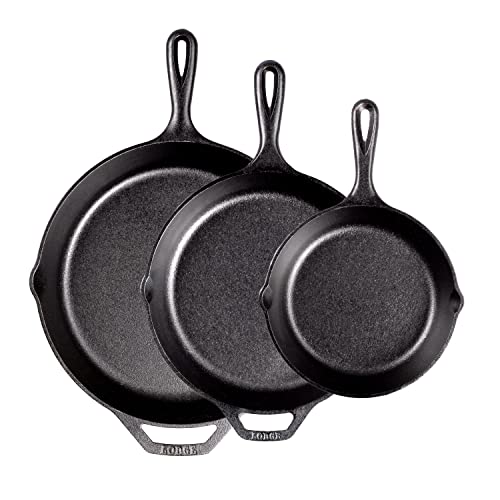
- Start with a wide pan over medium heat — A large cast-iron or stainless steel pan is the right tool for this job. Both provide steady, even heat and allow fond to develop properly, which is essential for building flavor. Nonstick pans will work, but they limit that process and tend to produce a flatter result.
- Match the pan size to the amount of onions — As a general guide, 5–6 onions fit well in a 12-inch pan, while 3–4 onions are better suited to a 10-inch. The goal is to give the onions enough space to cook down without trapping too much moisture. If the pan is too small, they’ll steam instead of brown.
- Add butter and let it melt gently — Butter provides both flavor and a stable cooking medium for this process. As it melts, it coats the pan and helps carry the onions through each stage of cooking. Some recipes combine butter with oil, but butter alone gives a cleaner, richer result.
- Add the onions and a pinch of salt — The salt helps draw out moisture early, getting the process moving. At first, the pan will look full. That won’t last.

- Let the onions release their moisture — As they heat, they’ll soften and begin to steam. Stir occasionally, but not constantly. At this stage, you’re not browning—you’re driving off water.
- Cook until softened and beginning to turn translucent — The onions will relax, lose volume, and become glossy. This is your transition point from steaming to browning.

- Allow light browning to begin — As moisture cooks off, the onions will start to pick up color. Stir a bit more frequently now to keep things even.

The onions are softening and just starting to turn golden—this is where the transformation begins.
- Watch for fond forming on the pan — You’ll start to see browned bits developing on the bottom. That’s flavor building—not something to avoid.
- Deglaze lightly as needed — When the fond deepens in color, add a small splash of water or dry white wine to loosen it. Scrape the bottom of the pan and fold that flavor back into the onions. A dry wine adds acidity without introducing unwanted sweetness.
- Repeat the cycle — The process becomes rhythmic: browning, fond forming, a small deglaze, then back to browning. Each pass builds more depth.
- Adjust the heat as needed — If the onions or fond are darkening too quickly, lower the heat. If nothing is happening, nudge it up slightly. Control matters more than speed.
- Continue until evenly browned and fully softened — The onions should be deeply golden, cohesive, and tender throughout. Not spotty. Not rushed. Even.

Soft, glossy, and cohesive—this is where patience pays off.
- Stop before they go too far — There’s a point where deeper color stops adding flavor and starts introducing bitterness. Pull them just before that line.
Back to top
Timing, Patience & the Myth of Speed
Caramelized onions take time.
Not because the process is complicated, but because it can’t be rushed without changing the result.
For most batches, you’re looking at somewhere between 30 and 60 minutes, depending on the volume of onions, the size of your pan, and how aggressively you manage the heat.
That range isn’t a flaw in the method.
It’s part of it.
Why this takes time
At the start, the onions are full of water.
Before any meaningful browning can happen, that moisture has to cook off. Only then can the sugars concentrate and begin to develop the flavor you’re after.
That transition—from steaming to browning—is what defines the process.
And it doesn’t happen quickly.
About the “shortcuts”
There are plenty of methods that claim to speed things up.
Adding sugar.
Using baking soda.
Cranking the heat.
They all do something.
They just don’t produce the same result.
Sugar accelerates browning — but it creates sweetness on the surface, not depth throughout.
Baking soda speeds breakdown — but it alters the texture and can leave the onions overly soft or slightly off in flavor.
High heat forces color — but it skips the gradual development that gives caramelized onions their balance.
In each case, you get something that looks right faster.
But it doesn’t taste the same.
Pressure Cookers and InstaPots
There are also methods that use a pressure cooker or an InstaPot to speed things up.
They work by accelerating the softening process—breaking down the onions quickly under pressure before finishing them on the stovetop.
It’s efficient.
But it changes the process.
Much of what defines caramelized onions happens gradually in the pan—moisture cooking off, sugars concentrating, fond forming and being worked back into the onions. That layering doesn’t develop the same way under pressure.
You can get something close using those methods.
But you’re still trading time for depth.
What rushing actually produces
When the process is pushed too hard, one of two things usually happens:
The onions steam and soften without developing flavor, or
They brown unevenly and take on bitterness before they’ve fully broken down
Neither one is what you’re after.
Properly caramelized onions are built slowly. The flavor develops layer by layer, not all at once.
The real tradeoff
You can make onions brown quickly.
Or you can make them taste fully developed.
Those are not the same goal.
What patience gives you
When you let the process unfold at the right pace, everything lines up:
-
-
- moisture cooks off gradually
- sugars concentrate evenly
- fond develops and gets incorporated
- the onions soften without falling apart
-
What you end up with isn’t just browned onions.
It’s something deeper, more balanced, and far more useful in the kitchen.
Common Mistakes
- Using heat that’s too high — This is the fastest way to derail the process. The onions may take on color quickly, but the interior doesn’t have time to break down. You end up with onions that are browned on the outside and still sharp inside—or worse, bitter from burned sugars and scorched fond. (I’ve tried forcing this process in ten minutes with high heat. It doesn’t work.)
- Crowding the pan — Too many onions in too small a space traps moisture. Instead of cooking off, that moisture builds up and the onions steam. They’ll soften, but they won’t brown properly.
- Not managing the fond — Those browned bits on the bottom of the pan are where much of the flavor develops. If they’re ignored, they’ll burn. If they’re managed—deglazed and worked back into the onions—they become part of the final result.
- Stirring too often—or not enough — Constant stirring prevents browning. Too little attention allows uneven cooking and increases the risk of burning. You’re aiming for a steady rhythm: let them sit long enough to develop color, then stir to keep things even.
- Stopping too early — The onions may look done before they actually are. Properly caramelized onions should be soft, cohesive, and evenly browned throughout—not just lightly golden and still structured.
- Pushing too far — There’s a point where deeper color stops adding flavor and starts introducing bitterness. If the onions turn very dark or take on a harsh edge, they’ve gone too far.
Applications & How to Store Caramelized Onions
- Use them as a foundation, not just a topping — Caramelized onions bring depth to a dish in a way few ingredients can. Stir them into sauces, fold them into braises, or build them into the base of a dish where their flavor can carry through rather than sit on top.
- Let them elevate simple dishes — A spoonful of caramelized onions can transform something basic into something memorable. Eggs, roasted vegetables, pasta, or a simple burger all benefit from the added depth and balance they provide.

- Build classic dishes around them — Some recipes depend on properly caramelized onions to work at all. French onion soup is the most obvious example, where the entire dish is built on the flavor developed in the pan.

How to Store Caramelized Onions
-
- Refrigerate for short-term use — Store in an airtight container in the refrigerator for up to 4–5 days. The flavor will continue to deepen slightly as they rest.
- Freeze for longer storage — Caramelized onions freeze exceptionally well. Portion them into small amounts—an ice cube tray works well—then transfer to a sealed container or bag. This makes it easy to use just what you need later.
- Reheat gently — Warm them in a pan over low heat or in short intervals in the microwave. If they seem dry, add a small splash of water to loosen them.
Frequently Asked Questions (FAQs)
- How long does it really take to caramelize onions? — Most batches take between 30 and 60 minutes, depending on how many onions you’re cooking and how you manage the heat. If it’s done in 10–15 minutes, they’re browned—not truly caramelized.
- Can I speed this up? — Not without changing the result. Methods that use sugar, baking soda, or high heat will produce something faster, but it won’t have the same depth, balance, or texture.
- Why are my onions burning instead of browning? — The heat is too high, or the fond isn’t being managed. Lower the heat and add a small splash of water or dry white wine to loosen anything sticking to the pan.
- Why aren’t my onions browning? — There’s still too much moisture in the pan. This can happen if the pan is overcrowded or the heat is too low. Give them more space, or increase the heat slightly.
- What’s the best pan to use? — A wide cast-iron or stainless steel pan works best. Both hold heat well and allow fond to develop properly, which is essential for building flavor.
- Can I make caramelized onions ahead of time? — Yes. They store well in the refrigerator for several days and freeze exceptionally well, making them easy to prepare in advance and use as needed.
- Do I have to use wine? — No. Water works perfectly well for deglazing. A dry white wine adds a bit of acidity and complexity, but it’s optional.

How to Caramelize Onions

Slowly cooked onions transformed into a deeply savory, gently sweet foundation ingredient. This method focuses on controlled heat, proper moisture management, and building flavor through fond development.
- Prep Time: 15 minutes
- Cook Time: 60 minutes
- Total Time: 1 hour 15 minutes
- Yield: 1 - 1 1/2 cups 1x
- Category: Kitchen Foundations
- Method: Stovetop
- Cuisine: American
Ingredients
- 4–6 large onions (yellow, Vidalia (sweet), and/or white), sliced
- 6 tablespoons unsalted butter
- 1/2 teaspoon kosher salt
- Water or dry white wine, as needed for deglazing (added in small splashes)
Instructions
- Slice the onions evenly and set aside.
- Heat a wide cast-iron or stainless steel pan over medium heat.
- Add the butter and allow it to melt.
- Add the onions and salt; cook, stirring occasionally, until softened and beginning to release moisture.
- Continue cooking until the onions begin to brown, adjusting heat as needed.
- As fond develops at the bottom of the pan, deglaze with small amounts of water or dry white wine, scraping up and incorporating the solids back into the onions.
- Repeat this process of browning and deglazing until the onions are evenly browned and fully softened.
Remove from heat before the onions become overly dark or bitter.
Equipment
 Buy Now →
 Notes
- Butter provides excellent flavor. Using a slightly more generous amount helps the onions cook evenly and prevents them from drying out, while proper deglazing keeps the richness balanced.
- Cooking time will vary depending on the number of onions and the heat level, but allowing up to 60 minutes ensures proper flavor development.